啦啦文学网 · www.boneheadseo.com
啦啦文学网 - 各类小说应有尽有,满足您的阅读需求
热门小说、全本目录、最新章节,一站式阅读索引。推荐阅读
排行榜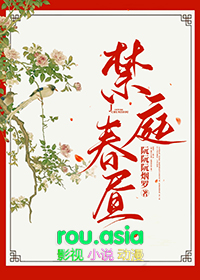
禁庭春昼
阮阮阮烟罗
深夜御殿,皇帝批阅奏折,宫女研墨侍奉。流滟灯火下,皇帝虽低首垂眸,却能感觉到宫女正偷偷看他。此为大不敬之举,但皇帝却悄然微抿唇角,并因神思悠悠,不自觉将御笔批复写成了宫女的名字。..
精品完结32万字
鲛人
朝昙
鲛人上岸后,必须通过交合来维持人形。打个炮就好的事,结果个个化身打桩机入得她死去活来。肏得过分就算了,都想收妖是肿么肥四??一句话文案:不想当海王的鲛人不是好鱼后台更新无法发出,很奇怪,点击发送..
精品完结11万字

蓝天航空公司的空姐
佚名
空姐这个职业在一般人眼中是个很好的工作,但伴随着各种工作压力空姐的私生活是很不规律的,尤其性生活是常人无法想象的淫乱,而且由于上班都要穿着高跟鞋,在机舱里一站就是好几个小时,所以各个空姐的脚是臭得不得了,但是对于那些喜欢闻脚舔脚的男人来说那可都是极品啊,而这个蓝天航空公司里就是以汇集了众多淫
精品连载50万字
顶流他结婚了
不知道第几个笔名
先婚后爱娱乐圈。总裁攻(贺西舟)x大明星受(博钦)是块小甜饼。——————————博钦,娱乐圈当红顶流,顶级身材顶级颜值。开完演唱会后马不停蹄地被家里安排联姻联姻对象有钱有颜还有权,长相高冷气质禁欲。
精品连载40万字
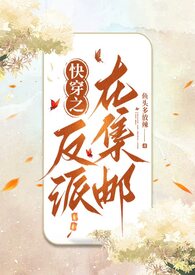
快穿之反派在集邮(NP)
鱼头多放辣
【女主混乱邪恶+正不压邪+黑暗重口】在量身定制的快穿小世界中,游执乐的爱与怜,都会放大成直白而强烈,残忍又无法拒绝的力量。————————————————阅前须知:1、默认所有的世界都是女主穿进去一瞬间围绕她生成。有“过去的记忆”,以及不同的身体,但不存在“原女主”。2、纸片人无人权、纸片人无人权、纸片人无人权。不接受这一观点的务必不要点开。2、女主真反派,道德沦丧,心狠手辣,但会心动,越爱占有欲
穿越连载15万字

青梅突然勾引我(1v1 sc)
周七
贺盛是丞相小儿子与大理寺卿嫡女周然青梅竹马。他本以为这个青梅对他无意,直到有日他在府中准备车马去参加诗会却被周然堵住去路,她上了自己的马车,脱了他的青袍,引诱他,与她鱼水之欢。她叫他小字,叫他儒承,在他身下显露自己女人姿态,贺盛觉得自己被妖精蛊惑,那日的诗会他也没去,和周然在院子里的马车折腾了一下午。
精品连载11万字

七零反派的心头肉
清汀之音
百花仙子凝瑶因为得罪天帝被贬落凡间,可是下凡的途中却出现偏差,神魂被卷进一本书中。故事发生在华国七十年代,原身是这本书里知青男主的未婚妻女配。据书中介绍,女配叶凝瑶是一个白富美,父亲是国营大厂的厂长,母亲是妇联主任,大哥是部队营长。
都市连载59万字

旧城谙
dearfairy
1林谙的初恋是李牧言,但带给她初恋感觉的是他的侄子李成玦。2床笫之欢时,李成玦喜欢闹她:“谙谙,喊哥哥。”被压在下方的女人捶他:“不要,你比我小。”“那也是你情哥哥,再说了——”李成玦沉腰狠狠顶弄,林谙顿时喘气低吟,他哑声坏笑:“哥哥这里可不小……”………好看的激情视频请收藏:://天天更新,惊喜不断
精品连载34万字

云霄飞车(nph)
好好吃肉
顾水水是混蛋是女流氓是不撩闲就无聊的小色狼金融女大佬和教授牙医富商的故事三个男主角各有暗藏的身份哈算是女强男强类型全文没有小白兔“我想要的都得是我的,我不爱你你也得爱我。”..
精品完结3万字
最近更新
更多- 清浊(gl 纯百)281天前
- 炮灰女配失忆后反派吃美了你爱他胜过爱我吗?1天前
- 生死树第二十章军营1天前
- 驯养游戏(强制)蔚蓝之海谢窈番外(7)1天前
- 逾矩(gl sm)第十五章确认关系1天前
- 我欲君临十九州(古言NP)第四十章动身出发1天前
- 女仆在庄园里被爆操(上位者nph,欧式)h射大肚子堵精到第二天1天前
- 玉娘她胆子真是不小1天前
- 温火 NPH58山雨欲来h1天前
- 从属关系(NP)142拉踩1天前
- 咨询师421天前
- 一觉醒来成为世界唯一一位alpha(GB+NP)前世篇(8)虚无主义者的执念1天前
- 暗涌(勾引,出轨)“哥哥”1天前
- 欢迎来到43号农场(美恐nph)022宝宝撒个娇1天前
- 互为囚宠gl第三十六章褪烬1天前
- 夫君变成死鬼之后npif线第三章春梦1天前
- 替身演员的洗白之路(nph)31.浴缸(h)1天前
- 一不小心成为姐夫们的白月光(高干出轨nph)27烛光晚餐1天前
- 老实人(1v1)122我认输了让我操一下(温泉h)1天前
- 军校生的玩物(暗黑NPH)【】代号059心碎(剧情)1天前
- 操你,还需要理由吗?(校园H)我特意买的1天前
- 窥骨(强制 暗黑)“你是乱发情的狗吗”1天前
- 双修?可以拒绝吗(NPH)第二十六章余震(h)1天前
- 错映(女绿 暗黑)檐下燕(h)1天前
- 绝对服从(H)(L伦)第八十七章婚礼现场1天前
- 枕梦迁徙(短篇合集)分隔符1天前
- 雾都(校园1v1)chapter351天前
- 绿皮书(abo)丁香(5r)(g抠双性b情节)1天前
- 半獸人女老師(NPH)第41章巷戰群毆大姐頭的專屬嬌花保1天前
- 在产品(ABO)对不起1天前
最新入库
更多- 逾矩(gl sm)橘外人
- 咨询师大头会胜利
- 暗涌(勾引,出轨)千二
- 捡到一只小魅魔(bgb)男宝妈
- 被男德竹马缠上了皇帝驾到
- 暗情(1v1 高H 强制)写肉小号
- 限制级游戏与幸运e主播(np)lucypp
- 站着做爱+洗头房调查淮安笑笑生
- 以寇王老景排骨汤
- 陛下,常羲娘娘有子了(高H)梁山好汉
- 看着我[纯百GL]dramaok1
- 双灵卦(玄幻1v1)阿房
- 百合脑洞合集ekaterina63
- 莫负风月(1V1 H)莫离
- 在产品(ABO)图书馆二楼
- 淫龙驯服手册(1v1 h)小甜包
- 短生种ssshulllsai
- 枕梦迁徙(短篇合集)冬个隆地咚
- 东魏琅琊旧梦(古言-剧情向-北齐皇室的爱恨情仇)慕容清虢
- 打穿末日的我成了小学生申屠此非
精品小说
更多- 西山有痞寒梅墨香
- 共生(gl母女)一起跳海
- 秘密(np)gospel
- 玉霖玲(父女)甜牛奶
- 爱你如此不堪白梦
- 临时起意(校园)卷心菜
- 隐性少女七公子
- 互为囚宠gl馒头小园
- 慕予怂怂怂怂蛋
- 最强都市修仙安山道士
- 太子他厌世Smilecat
- 假千金被反派强养了(1v1强制h)晒绿
- 无形之锢(短篇合集)香菜骷髅头
- 百无禁忌(1V1)千千结
- 江东合伙人非天夜翔
- 思春期(兄妹骨1v1)Cesay
- 当成游戏(1vN)奈思图谧秋
- 和说唱厂牌社长恋爱之后丢了个西
- 迫成为总裁后糖炒栗籽
- 从属关系(NP)咕且
百合小说
更多- 幻想世界大穿越辰一十一
- 与神为邻温泉笨蛋
- 地球代理商吾六奇
- 星河贵族奥尔良烤鲟鱼堡
- 星际生存指南呼吸蝴蝶症
- 无所谓,我会出手锦罗书梦
- 私人科技路几层
- 天官赐福之花怜徽盘
- 末世之欲欲修仙(nph)布短
- 圣玛利亚的淫欲地狱(科幻,NTR,乳头调教,潜入)Rrooky
- 恐怖片BOSS都想和我贴贴小白梨梨
- 我有一扇任意门[末世无限]陆婪
- 末世之枭爷实力宠妻阑珊留醉
- 甜爆星际:帝国分配给我最强上将南雪崽崽
- 逆袭顶流从人设开始礼蓝
- 兽世:星际万人迷警报G弦上的大司乐
- 女王的星球[女尊]云星官
- 美漫新来的超级萌新幽灵从不迷路
- 夺妻[母子np]暮苍梧
- 反派帝王A分化成Omega以后蓝白内裤的猫
耽美同人
更多- 老夫少夫祭望月
- 炽热的牢笼情、夜月
- 被迫和敌国太子联姻的日子乔陛
- 撒野巫哲
- 叛逃芝芝莓莓
- 至尊受道谬尔
- 把我偷走吧愚礼
- 老夫少妻叱爷
- 假装乖巧[娱乐圈]咖啡色的团子
- 竹木狼马巫哲
- 稳定平衡(glfuta)呼吸丿回忆
- (红楼同人)红楼之仙路外乡人
- [杨康]一蓑烟雨任平生我想吃肉
- 飞升前师尊他怀了龙种后简
- [综漫]我和我的马甲一只贝壳
- 佞臣白衣若雪
- 首辅养成手册闻檀
- 系花很淫荡(高HNP...)上官夫人的水蜜桃
- 重逢后被死对头强制标记了梦沉书远
- 满足男主愿望系统[快穿]婶婶的薄荷糖
都市言情
更多- 黑金链(1v1)黑卡随便用
- 偷偷藏不住(1v1h)肥老师
- 舒玉(NP)虚与委蛇
- 玉娘给我写爽了
- 鉴宝之王香叶
- 雨,雨车位已满
- [足球]反系统神玖
- 心刃春风榴火
- 告真(姐弟)灰度
- 灰线之上(NP/高干)微辣加麻多放糖
- 孽因[姐弟H]过期酸奶
- 错过墨羽
- 太子假装失忆!沉迷钓系美人把戏ws小南
- 姐姐不说话[骨科]不相逢
- 碾碎温柔浅炽
- 征服美女董事长一地鸡毛
- 我怀疑老公出轨了柿子果
- 醉氧(娱乐圈)牛油果可乐
- 惹人慊的女同学放线菌
- 校霸小少爷alpha被攻略了步知知
玄幻奇幻
更多仙侠武侠
更多- 重生都市仙尊写书的老书虫
- 我的右手能鉴宝F4君子
- 畅游武侠世界半缕温暖
- 神道复苏神秘道人
- 花都狂龙森森
- 情缘不了淮左卧龙
- 焚天路洛神雨
- 全宗门都是我马甲施釉
- 极品相师萧瑟良
- 刀笼虫梦
- 武林第一紫釵恨
- 九清酒醉的福蝶
- 普通人,每天都在修罗场蹦迪西风醉
- 我召唤的神灵全球第一!天初破晓
- 小师妹每天都要喷火苏拾一
- 寥寥春华(仙侠1v1+第一人称)鸢师傅炒饭技术叁流
- 觉醒后创死所有恋爱脑芷柚
- 抛弃无情道剑尊后扶桑知我
- 武圣恋青衣
- 反派魔尊给我生了个蛋[女尊]屿棉